
Rabi al-Awwal: The Complete Islamic Guide
Rabi al-Awwal: The Complete Islamic Guide to the Month of the Prophet ﷺ
Every year, Rabi al-Awwal arrives on the Islamic calendar. And every year, most Muslims greet it the same way they greet any other month. They sense it’s “special.” But they don’t really know what to do with it.
That’s not a criticism. It’s simply what happens when a month’s significance isn’t matched with real understanding. This guide changes that. It walks you through what Rabi al-Awwal actually is, why it holds a unique place in Islamic history, and how Muslims around the world engage with it today.
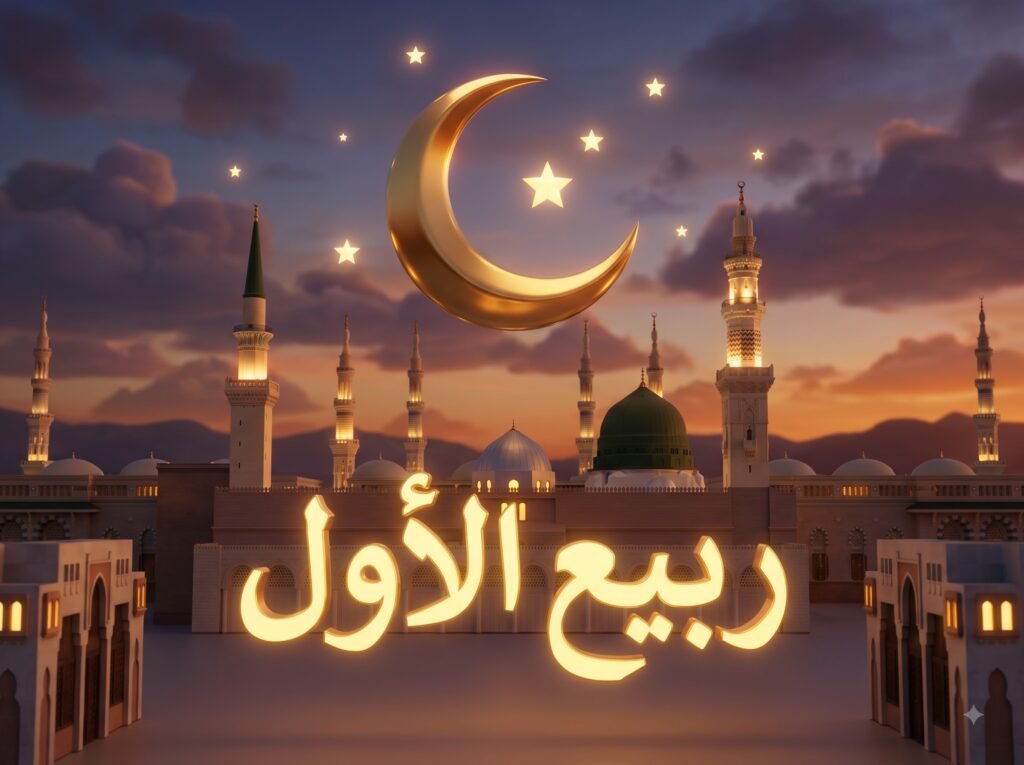
What Is Rabi al-Awwal?
Rabi al-Awwal is the third month of the Islamic (Hijri) lunar calendar. It follows Muharram and Safar. The name translates roughly to “the first spring.” Early Arabs named it this way, long before Islam, based on the season it originally fell in.
But the season isn’t what gives Rabi al-Awwal its lasting significance. The events tied to it do. Most scholars hold that Prophet Muhammad ﷺ was born during this month. That single fact makes it one of the most historically significant months for Muslims worldwide.
Why This Month Holds Such Deep Meaning
Rabi al-Awwal carries weight for Muslims for a few key reasons. Each one traces back to the life of the Prophet ﷺ himself.
The Birth of the Prophet ﷺ
Most scholars agree the Prophet Muhammad ﷺ was born in Makkah during this month. That birth would go on to change the course of human history. Muslims remember it not as a date to celebrate, but as a reminder of the mercy, guidance, and light his life brought to the world.
Scholars have historically differed on the exact date within the month. This reflects natural variation in early historical records. It isn’t a disagreement about the significance of the event itself.
A Month Tied to the Hijrah
Rabi al-Awwal also holds a place in the story of the Hijrah — the migration of the Prophet ﷺ from Makkah to Madinah. Historical accounts place his arrival in Madinah within this month. That arrival marked the beginning of the first Muslim community. Eventually, it also marked the start of the Islamic calendar itself.
The Passing of the Prophet ﷺ
Many scholars also hold that the Prophet ﷺ passed away in Rabi al-Awwal. This adds a layer of reflection to the month — a reminder of both the beginning and the end of a life that reshaped history.
Together, these events set Rabi al-Awwal apart from other months on the Islamic calendar. It carries no single ritual obligation, the way Ramadan or Hajj does. Instead, it invites reflection on the life of the one who brought the message to begin with.
How Muslims Around the World Engage With Rabi al-Awwal
Rabi al-Awwal comes with no specific religious obligation attached. Because of that, Muslims engage with the month in different ways — and this is where an important, honest conversation comes in.
Many Muslims use this month to increase salawat (sending blessings upon the Prophet ﷺ). They study his seerah (biography) in depth. They reflect on his character as a personal example to live by.
Some Muslim communities also mark the month with Mawlid gatherings. These commemorative events celebrate the Prophet’s ﷺ birth, often through communal recitation, storytelling, and remembrance.
Here’s something worth saying upfront: sincere, knowledgeable Muslims and scholars hold different views on Mawlid. Some consider it a beautiful, encouraged expression of love for the Prophet ﷺ, rooted in centuries of tradition across much of the Muslim world. Others believe expressions of love for the Prophet ﷺ should stay limited to practices he established in his own lifetime. They view Mawlid celebrations as an innovation to avoid. Serious scholars hold both positions, each backed by real evidence. This guide won’t settle that difference. It simply makes sure you know the difference exists, so you can explore it further and ask your own local scholars for guidance.
Regardless of where Muslims stand on Mawlid, nearly all agree on one thing: Rabi al-Awwal offers a meaningful chance to reconnect with the life, character, and teachings of the Prophet ﷺ.

Simple Ways Muslims Mark the Month
Regardless of differing views on specific practices, there are widely embraced, low-barrier ways Muslims use this month to grow closer to the Prophet’s ﷺ example:
- Increasing salawat — sending blessings upon the Prophet ﷺ throughout daily routines
- Reading or reviewing his seerah — even a few pages a week can deepen real familiarity with his life
- Reflecting on his character — his patience, honesty, and mercy as a living example, not just a historical figure
- Teaching children about his life — turning the month into a family learning opportunity rather than a passive date on the calendar
Why Understanding Deepens the Connection
Here’s something rarely said out loud: you cannot fully connect with the Prophet ﷺ through translation alone. Every translated hadith, every English seerah book, is a window into his life — but the original language carries nuance, rhythm, and meaning that translation naturally loses.
This is part of why so many Muslims, during months like Rabi al-Awwal, feel a renewed pull toward learning Arabic — not as an academic exercise, but as a way to access the words, the language, and the world the Prophet ﷺ himself lived in.
Go Deeper This Rabi al-Awwal
If this guide sparked a desire to understand the Prophet’s ﷺ life more deeply, here’s where to go next:
- Explore our Seerah in Arabic article to begin engaging with his story in its original language
- Read our Mawlid article for a closer look at how different communities and scholars approach this practice
Deepen Your Connection to the Prophet ﷺ
Understanding his life starts with understanding his language. This Rabi al-Awwal, take one real step closer — not just in remembrance, but in understanding.
Learn his language at roots-muslimschool.com — deepen your connection to the Prophet ﷺ, one word at a time.
