
5 Questions to Ask Before Choosing an Online Arabic Program
Most parents don’t choose an Arabic program because it’s the right fit. They choose it because of a well-edited Instagram reel, a friend’s recommendation, or a testimonial that hit close to home.
And to be fair — marketing works because these programs genuinely help families. But “good marketing” and “good fit for your family” are two very different things. What works beautifully for your neighbor’s kids might completely miss the mark for yours, depending on their age, attention span, current Arabic level, and what you actually want them to walk away with.
So before you swipe your card on the best online arabic program for your muslim family, run it through these five questions first. Think of this as the checklist behind every good quranic arabic program comparison — the questions people wish they’d asked before signing up, not after three months of frustration.
1. What’s the Teacher-to-Student Ratio?
This one question quietly determines almost everything else about your child’s experience.
A class of 2-4 students means your child is actually speaking, getting corrected in real time, and being noticed if they’re zoning out. A class of 15+ students means your child can coast through an entire semester saying maybe ten words out loud.
When you’re comparing programs, ask directly: “How many students are typically in a live class?” Not the marketing page number — the real, current number. Programs like Roots intentionally keep class sizes small because Arabic, like any spoken language, is learned by speaking it, not just listening to it. Larger, lecture-style programs (which some families find work well for older, self-motivated students) trade that individual attention for scale and lower cost.
Neither approach is universally “better” — but a 6-year-old in a 20-person class and a 6-year-old in a 4-person class are having two completely different learning experiences.
2. Is It Qur’an-Focused or MSA-Focused?
This is the question that trips up the most families, because “Arabic program” can mean three very different things:
- Qur’anic Arabic — understanding the language of the Qur’an, tajweed, and classical grammar (nahw/sarf) so kids can connect directly with the text they recite.
- Modern Standard Arabic (MSA) — the formal Arabic used in news, books, and academic settings.
- Conversational/Colloquial Arabic — everyday spoken Arabic, often dialect-specific.
Some programs, like Bayyinah, lean heavily into deep classical grammar and Qur’anic linguistics — incredible for older students or adults ready for an academic deep-dive. Others, like Studio Arabiya, blend MSA with Qur’anic reading in a more structured, traditional-classroom style. Roots was built specifically around helping kids and families understand the Qur’an and speak Arabic in daily life — so the goal isn’t just grammar mastery, it’s genuine comprehension and connection.
Ask yourself honestly: do you want your child to pass an Arabic grammar exam, or do you want them to understand what they’re reciting in salah and enjoy speaking Arabic at home? Your answer should point you toward the right kind of program before you even look at price or schedule.
3. Does It Offer Sibling or Family Pricing?
If you have more than one child — or you’re hoping to learn alongside them — pricing structure matters more than the sticker price of one seat.
Some programs charge per child with no discount, which adds up fast for families of three or four kids. Others offer sibling bundles or family plans that make consistent, long-term enrollment realistic instead of a one-semester experiment.
When comparing, ask: “What does this cost for my actual family, not just one child?” A program that looks slightly more expensive per seat can end up cheaper overall if it offers meaningful family pricing — and consistency matters far more than a discount, because Arabic (like any language) is lost quickly when learning stops and starts.
4. Is There a Real Trial Period?
A trial class tells you more in 30 minutes than any website testimonial ever will. It shows you the teacher’s energy, how they handle a shy or distracted kid, the actual class size, and whether the pacing matches your child.
Be wary of programs that make it hard to trial before committing — that’s often a sign they’re relying on the sign-up momentum rather than the classroom experience to convert you. A program confident in its teaching wants you to see it live before you pay for a semester.
This is genuinely the single best way to run your own studio arabiya vs bayyinah vs roots comparison — not by reading reviews, but by sitting in on a real class with your own child and watching how they respond.
5. Are the Teachers Native (or Native-Level) Speakers with Real Teaching Training?
Speaking Arabic fluently and knowing how to teach it to a distracted 8-year-old are two completely different skills. The best programs have both: native or native-level speakers who are also trained in child pedagogy, classroom management, and structured curriculum delivery — not just well-meaning volunteers reciting a textbook.
Ask about teacher qualifications directly: Are they native speakers? Are they trained educators, or subject-matter experts without formal teaching experience? Is there a consistent curriculum, or does quality depend entirely on which teacher your child happens to get?
This is often the biggest gap between programs that look similar on a comparison chart but feel completely different once class actually starts.
The Real Takeaway
There’s no single “best” Arabic program for every family — there’s only the program that’s best for your family, right now. A homeschool family of four with a toddler in the room needs something different than a family with two teenagers ready for grammar-heavy classical texts.
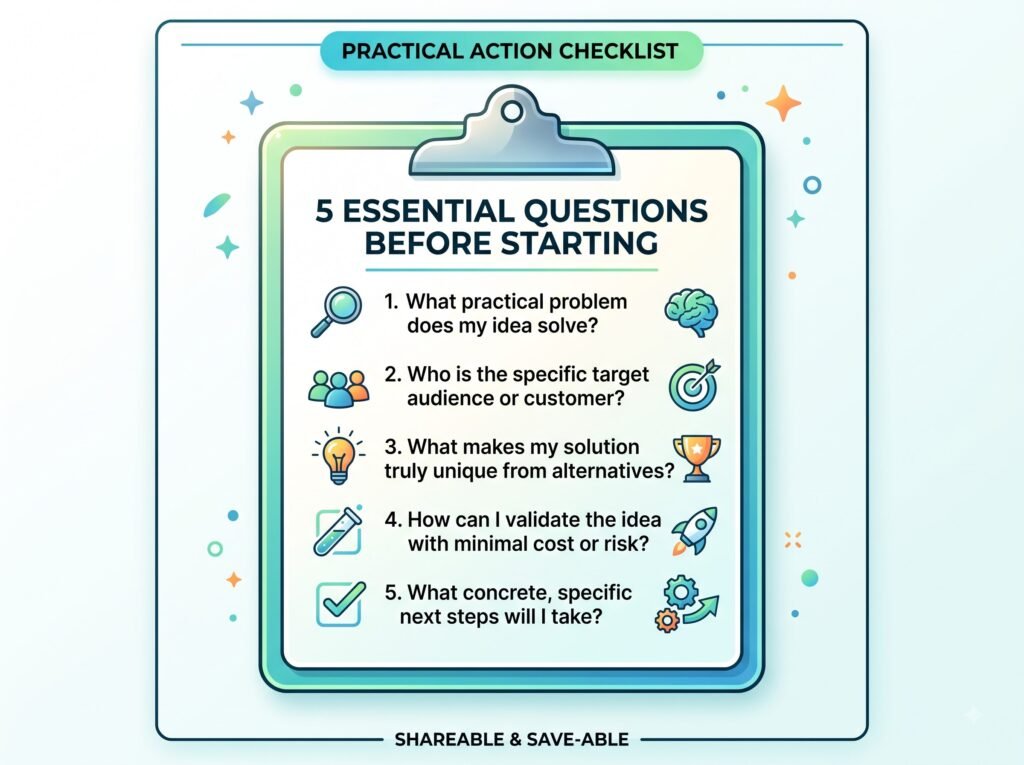
That’s exactly why this checklist matters more than any ranked list or comparison chart. Ask these five questions of any program you’re considering — including Roots — and you’ll walk away with an actual answer instead of a guess based on marketing.
Curious how Roots answers these five questions in real time? Book a free trial class and sit in on a live session with your own child — no better way to see if it’s the right fit.
