
10 Tajweed Rules Every Beginner Should Know
Many Muslims read the Qur’an daily—yet still feel unsure.
“Am I pronouncing this correctly?”
“Why does my recitation feel off, even though I’ve memorized?”
The answer is often not effort—it’s missing Tajweed foundations. Tajweed isn’t advanced theory. It’s the set of rules that protect the Qur’an from reading mistakes, especially for beginners and non-Arab Muslims. Below are 10 essential Tajweed rules, each directly connected to a common mistake beginners make, so you can finally understand why Tajweed matters.
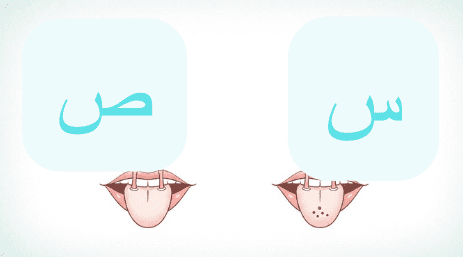
1️⃣ Every Arabic Letter Has a Fixed Exit Point (Makharij)
The Mistake:
Mixing up similar letters like س / ص or ت / ط
Why It Happens:
These sounds don’t exist in English, so learners guess.
The Tajweed Rule:
Each letter comes from a specific place in the mouth or throat.
Why It Matters:
Changing the letter can change the word—and sometimes the meaning.
2️⃣ Heavy and Light Letters Are Not the Same
The Mistake:
Reading heavy letters (like ص ط ق) lightly.
The Tajweed Rule:
Some letters are pronounced with a full mouth, others softly.
Why It Matters:
Without this rule, recitation sounds flat and inaccurate.
3️⃣ Madd Letters Must Be Stretched Properly
The Mistake:
Rushing through long vowels like ا و ي
The Tajweed Rule:
Certain vowels must be stretched 2, 4, or 6 counts.
Why It Matters:
Ignoring madd is one of the most common Qur’an reading mistakes—especially in salah.
4️⃣ Not Every Stop Is Allowed
The Mistake:
Stopping at the end of every line or breath.
The Tajweed Rule:
Some stops change or break the meaning.
Why It Matters:
Stopping incorrectly can turn a complete meaning into confusion.
5️⃣ Ghunnah Is a Sound, Not a Guess
The Mistake:
Skipping or exaggerating the nasal sound in نّ / مّ
The Tajweed Rule:
Ghunnah has a measured nasal sound, not silence or humming.
Why It Matters:
Overdoing or skipping it both count as tajweed mistakes.
6️⃣ Throat Letters Need Throat Effort
The Mistake:
Flattening letters like ح ع خ ه
The Tajweed Rule:
These letters must be felt from the throat, not the tongue.
Why It Matters:
This is especially hard for non-Arab beginners—and why Tajweed is essential.
7️⃣ Shaddah Means Double, Not Single
The Mistake:
Reading doubled letters as one.
The Tajweed Rule:
A shaddah means the letter is pronounced twice, with emphasis.
Why It Matters:
Skipping it weakens words and alters recitation flow.
8️⃣ Silent Letters Are Truly Silent
The Mistake:
Pronouncing letters that should not be heard.
The Tajweed Rule:
Some letters exist in writing but not in sound.
Why It Matters:
Beginners often add sounds that were never revealed.
9️⃣ The Last Letter Changes When You Stop
The Mistake:
Reading the final vowel even when stopping.
The Tajweed Rule:
Most words end with sukoon when stopping.
Why It Matters:
This affects almost every verse you recite.
🔟 Tajweed Is Learned Step by Step—Not All at Once
The Mistake:
Thinking Tajweed is too advanced or overwhelming.
The Tajweed Rule:
Tajweed is taught gradually, starting with the most common mistakes.
Why It Matters:
Skipping Tajweed early leads to harder corrections later.
🌱 Why Tajweed Matters More Than You Think
Tajweed is not about perfection.
It’s about respect, preservation, and confidence.
When beginners understand what mistakes they’re making and why, learning the Qur’an becomes clearer, calmer, and far more meaningful.
📘 Ready to Learn Tajweed the Right Way?
If you’re tired of guessing and want a clear, beginner-friendly path, start with foundations.
👉 Learn Tajweed step by step with Tajweed 101
Designed for beginners, non-Arab Muslims, and parents who want to read the Qur’an correctly—without overwhelm.
