
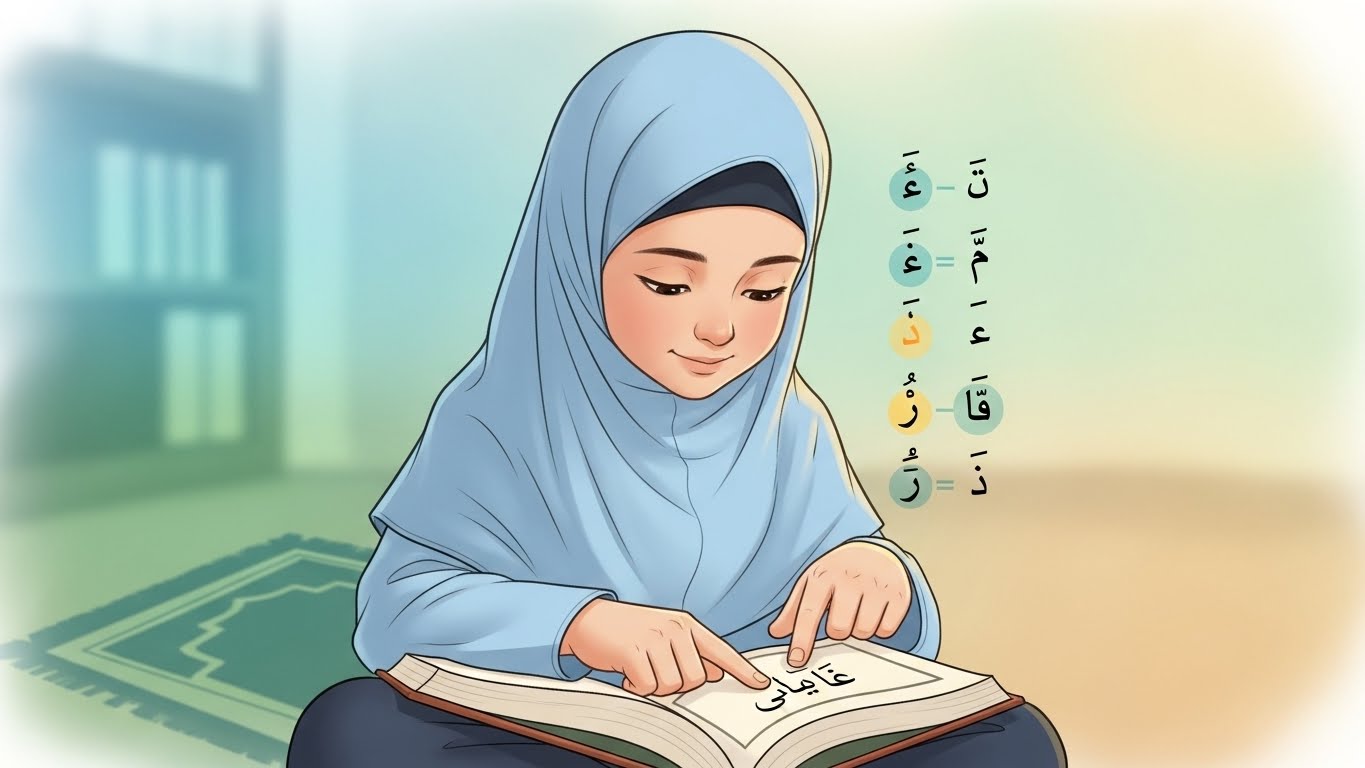
Quran Reading Mistakes: 7 Common Errors Beginners Make (And How to Fix Them Step by Step)
Introduction: Understanding Quran Reading Mistakes
Quran reading mistakes are very common among beginners, especially non-Arabic speakers and new Muslims. If you struggle with pronunciation, pacing, or confidence while reading the Quran, this does not mean you are failing.
Most beginners were taught what to read, but not how to read the Quran correctly. Without clear Tajweed foundations, mistakes naturally appear.
In this guide, we explain the most common Quran reading mistakes beginners make, why they happen, and how you can fix them step by step in a clear and simple way.
1️⃣ Reading Arabic Letters with English Sounds (A Very Common Beginner Mistake)
One of the most common Quran reading mistakes is treating Arabic letters like English ones.
For example:
- ح read like English “H”
- ع skipped or softened completely
- ص read like س
Why This Happens
English and Arabic use different sound systems. Many Arabic sounds simply don’t exist in English, so beginners replace them with familiar sounds.
How to Fix It
You do not need perfect Arabic. You need clear guidance and awareness of how Arabic sounds are formed. Learning Tajweed basics teaches you how each letter is meant to sound, not what it resembles in English.
2️⃣ Ignoring Makhārij (Mouth and Throat Positions of Letters)
Makhārij are the physical points where Arabic letters are produced—mouth, tongue, throat, and lips.
Many beginners were never taught this at all.
Why This Happens
Most learning methods focus on repetition instead of articulation. Students copy what they hear without understanding where the sound comes from.
How to Fix It
Beginner Tajweed explains each letter by its mouth or throat position, helping you train your speech naturally instead of guessing.
3️⃣ Guessing Long vs Short Vowels (Madd Mistakes)
Stretching a vowel when it should be short—or shortening it when it should be long—is a very common beginner Tajweed mistake.
Example:
- Rushing a madd (elongation)
- Stretching a vowel where no madd exists
Why This Happens
Arabic vowel length affects meaning, but beginners often aren’t taught to measure sounds.
How to Fix It
Tajweed basics teach simple timing rules, such as when to stretch a sound and when to stop.
4️⃣ Rushing Through Familiar Surahs Like Al-Fātiḥah
Surahs like Al-Fātiḥah or Al-Ikhlāṣ feel familiar, so many learners rush through them without attention.
Why This Happens
Repetition creates comfort—but comfort can hide mistakes.
How to Fix It
Reading slowly and with awareness is key. When you revisit familiar surahs using Tajweed basics, hidden mistakes often become clear.
5️⃣ Repeating Quran Reading Mistakes Daily in Salah
Al-Fātiḥah is recited in every single prayer. That means mistakes are repeated multiple times a day.
Why This Happens
Once habits form, they feel “normal.” Without correction, errors become automatic.
How to Fix It
Correcting Al-Fātiḥah early protects your daily worship and builds long-term confidence.
6️⃣ Memorizing Quran Before Correcting Pronunciation
Many beginners focus on memorization first, assuming pronunciation can be fixed later.
Why This Happens
There’s pressure to “move forward” quickly, especially in Quran learning.
How to Fix It
Correcting pronunciation early saves time. Fixing mistakes after memorization is much harder and more frustrating.
7️⃣ Thinking Tajweed Is “Advanced” Instead of Foundational
Perhaps the biggest misconception is that Tajweed is only for scholars or advanced students.
Why This Happens
Tajweed is often taught with complex terminology instead of simple practice.
How to Fix It
Tajweed was created to protect beginners from mistakes, not to make Quran reading difficult.
Beginner Takeaway: Quran Reading Mistakes Mean Missing Foundations — Not Failure
If you recognized yourself in this list, that’s a good sign.
It means you’re ready to build strong foundations instead of guessing.
Quran reading is not about perfection. It’s about learning correctly, step by step, with clarity and confidence.
Ready to Fix These Quran Reading Mistakes the Right Way?
👉 Our Tajweed 101 course teaches these basics slowly, clearly, and practically—made specifically for non-Arabic speakers and beginners.
You’ll learn:
- How Arabic letters are actually formed
- How to fix pronunciation gently and correctly
- How to read Al-Fātiḥah with confidence
Start with the foundation your Quran deserves.
