
What Is Tajweed? A Beginner’s Guide for Non-Arabic Speakers
If you’ve ever wondered what is Tajweed—or felt nervous hearing the word—you’re not alone. Many non-Arab Muslims want to learn the Quran properly but feel overwhelmed by Arabic pronunciation and complex rules.
The good news? Tajweed is not advanced, complicated, or only for scholars.
It’s a gentle system designed to help you read the Quran with clarity, confidence, and correctness—step by step.
This guide explains Tajweed for beginners in the simplest way possible.

What Is Tajweed? (Plain-English Definition)
Tajweed means reciting the Quran the way it was revealed and taught—by pronouncing each Arabic letter clearly, correctly, and from its proper place.
In simple terms:
Tajweed is learning how to say Arabic letters properly when reading the Quran.
It teaches:
- Where sounds come from (mouth or throat)
- How letters should sound (clear, heavy, soft)
- How to avoid changing meanings unintentionally
You don’t need to know Arabic grammar or advanced theory to start.
Why Does Tajweed Exist? (It’s About Meaning, Not Perfection)
Tajweed exists to protect the meaning of the Quran, not to make people feel judged or pressured.
Arabic is a precise language.
A small sound difference can completely change meaning.
Tajweed helps ensure that:
- You are saying what Allah revealed
- Your recitation stays faithful to the Quran
- You feel confident instead of constantly guessing
This is especially important for non-Arabic speakers, because many Arabic sounds simply don’t exist in English.
Common Beginner Myth: “Tajweed Is Advanced”
One of the biggest misconceptions is:
“I’ll learn Tajweed later—after I’m better at reading.”
In reality, Tajweed is the foundation, not the final level.
Just like children learn phonics before reading fluently, Quran learners need Tajweed basics from the beginning. Waiting too long often leads to:
- Habitual mispronunciation
- Confusion in prayer
- Loss of confidence while reciting
Tajweed for beginners is simple, gentle, and practical.
A Simple Example: One Letter Can Change Meaning
Let’s look at a basic example:
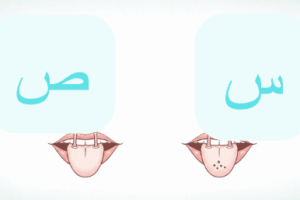
- ح (ḥāʼ) — a deep throat sound
- ه (hāʼ) — a light breathy sound
They may look similar, but they are not the same.
Without Tajweed training, many learners pronounce them identically—changing meanings without realizing it. Tajweed teaches your mouth and throat how to feel the difference, not just memorize rules.
This is how Tajweed helps you learn Quran properly, even as a beginner.
Encouraging Next Steps for Beginners
If you’re just starting out, here’s what matters most:
- You don’t need perfection
- You don’t need advanced rules
- You do need correct foundations
Start with:
- Learning where letters come from
- Practicing clear pronunciation slowly
- Building confidence, not speed
Tajweed is a mercy—it removes doubt, fear, and confusion from Quran recitation.
Final Thoughts: Tajweed Is for You
If you are a:
- Non-Arab Muslim
- New learner or revert
- Parent restarting Quran for your family
Then Tajweed is not “too much” for you—it’s exactly what you need.
Learning Tajweed means learning the Quran with clarity, respect, and confidence—one sound at a time.

You may also like

Why Memorizing the Qur’an Without Tajweed Can Lock in Mistakes